
Which Piano Is Right for You or Your Child?
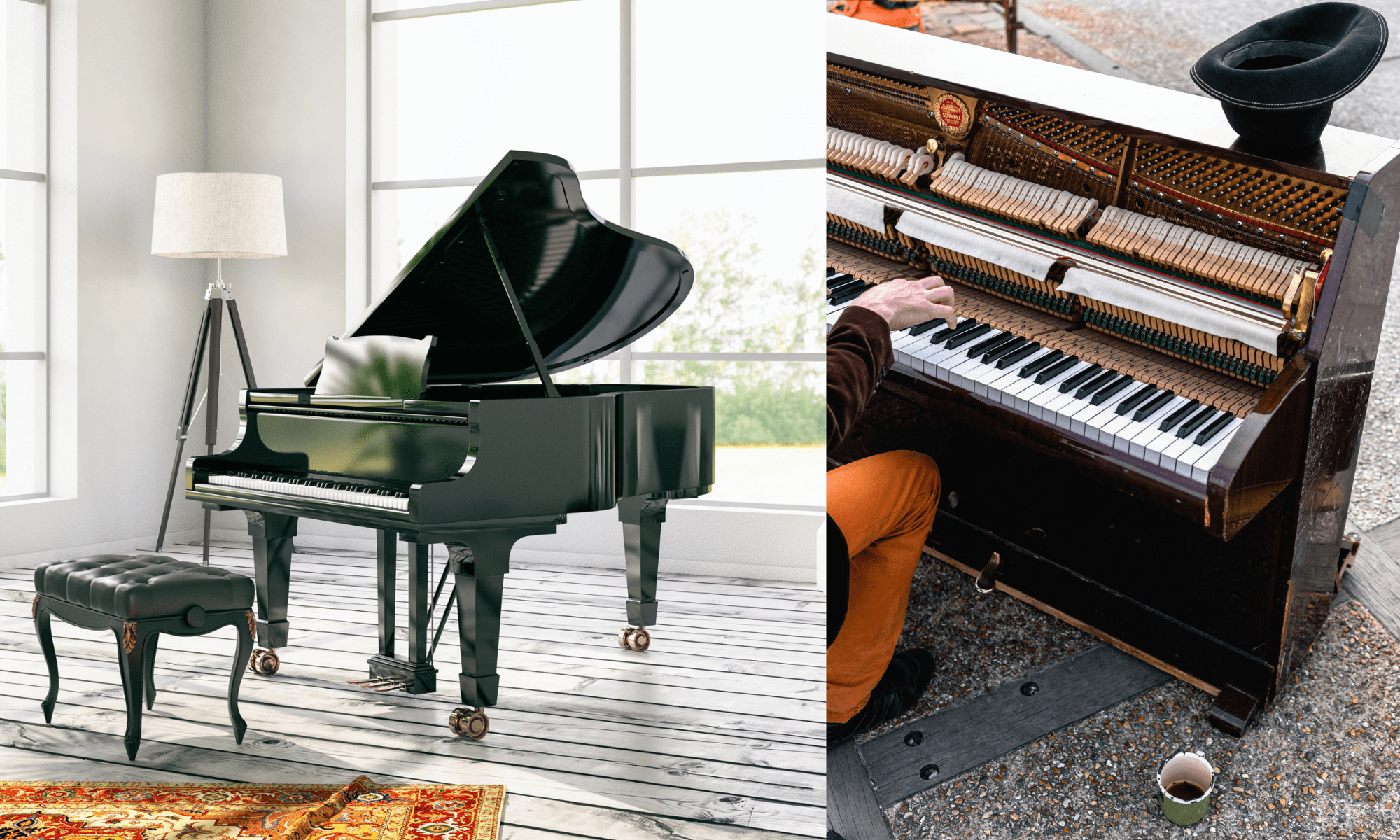
Choosing a piano is a meaningful decision—whether for a child starting lessons, an adult returning to music, or a serious student refining their artistry. The two most common options are upright pianos and grand pianos. While both are acoustic instruments capable of producing beautiful music, they serve different needs, spaces, and musical goals.
This guide will help you understand their differences clearly and make a confident choice.
1. Structure & Design
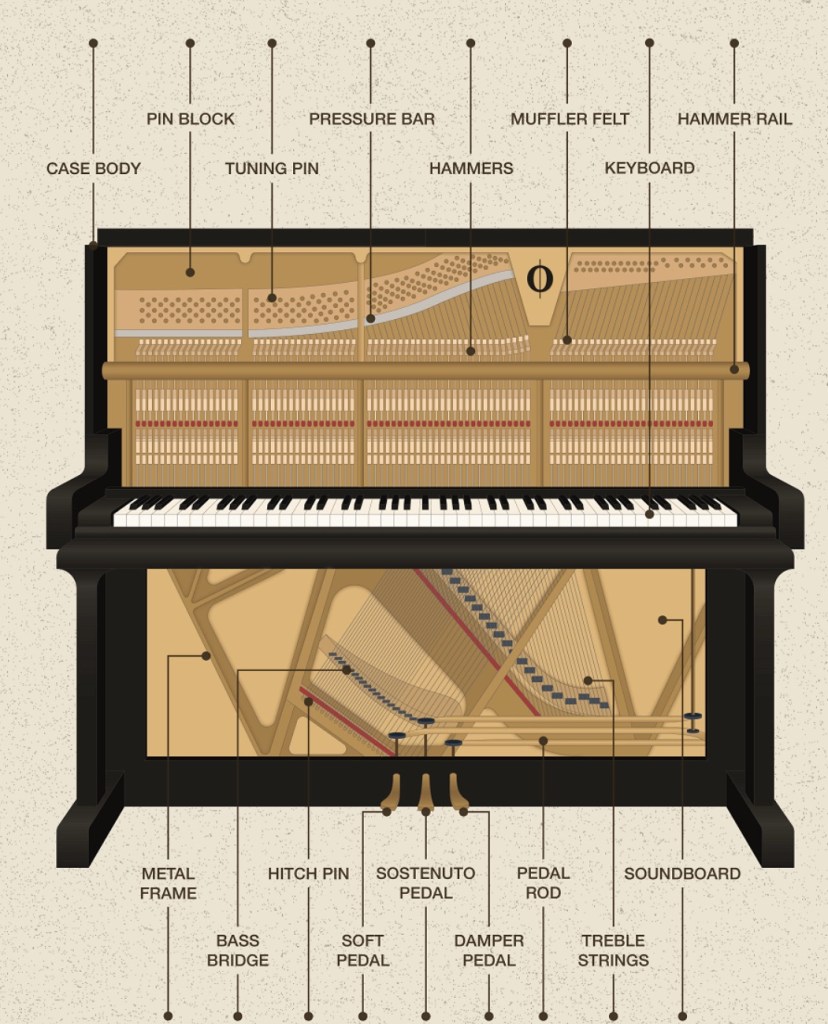
Upright Piano
Strings and soundboard are positioned vertically Compact, space-efficient design Ideal for apartments, homes, and teaching studios
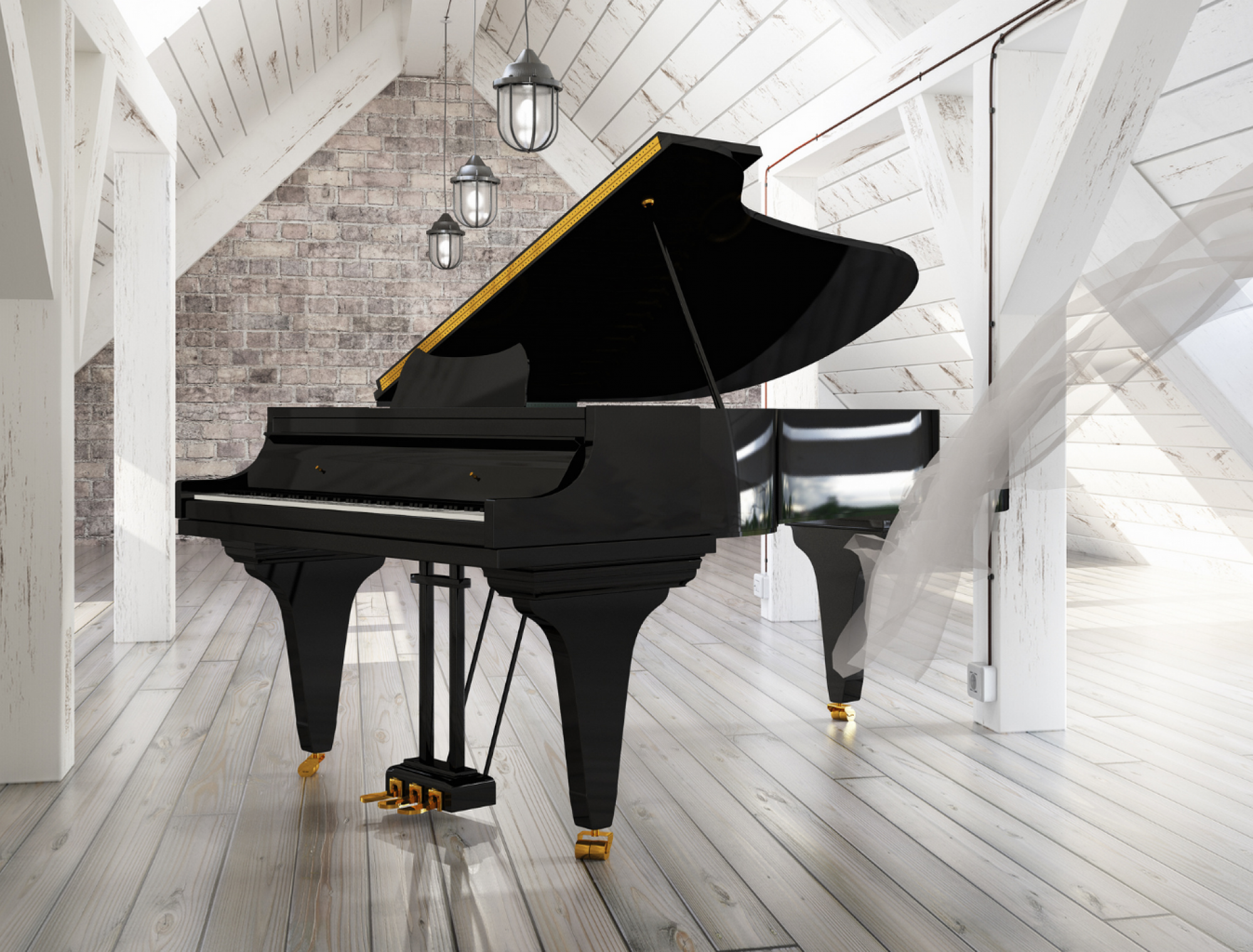
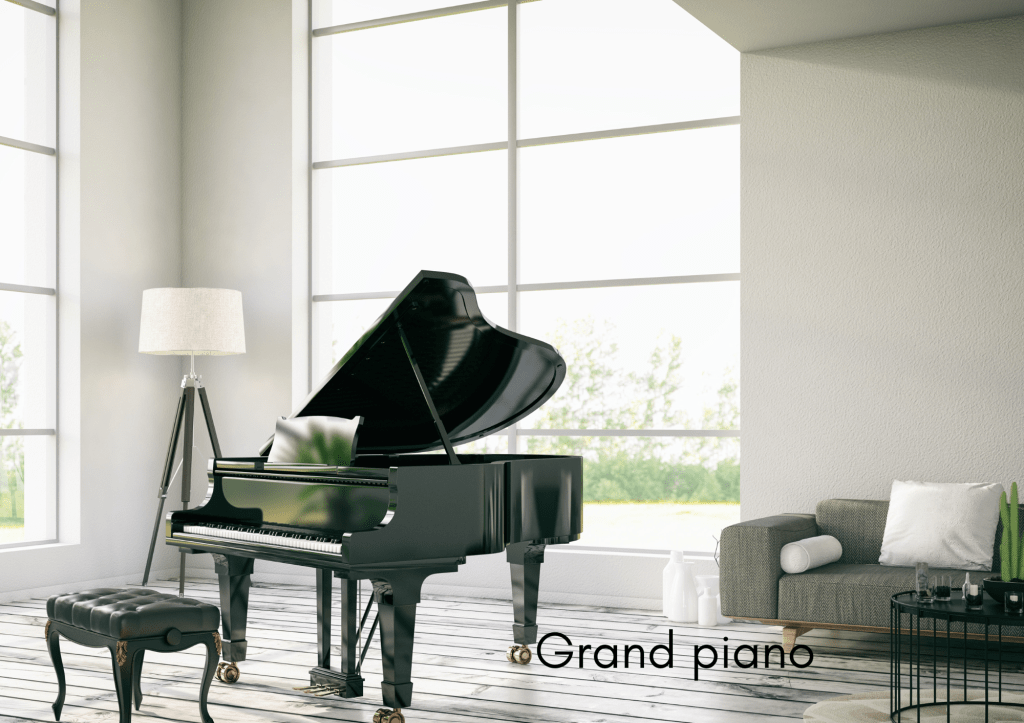
Grand Piano
Strings and soundboard lie horizontally Larger body with an open lid that projects sound outward Commonly used in concert halls, conservatories, and advanced studios
Key takeaway: Upright pianos prioritise practicality; grand pianos prioritise acoustic performance.
2. Sound Quality & Projection
Upright Piano
Sound is projected from the back, often toward a wall Tone is warm and clear, suitable for daily practice Slightly limited dynamic range compared to grands
Grand Piano
Longer strings and larger soundboard produce richer, more resonant tone Wider dynamic control—from delicate pianissimo to powerful fortissimo Greater tonal colour, crucial for expressive and advanced repertoire
Key takeaway: Grand pianos offer superior tonal depth, but upright pianos provide more than sufficient sound for most learners.
3. Touch & Action (How the Keys Feel)
Upright Piano
Uses a vertical hammer action with springs Slightly less responsive for very fast repetition Excellent for building strong fundamentals and technique
Grand Piano
Uses gravity-assisted hammer action Faster key repetition and greater control Preferred for advanced technique, competitions, and professional performance
Key takeaway: Beginners thrive on upright pianos; advanced pianists benefit from the responsiveness of grands.
4. Space & Environment Considerations
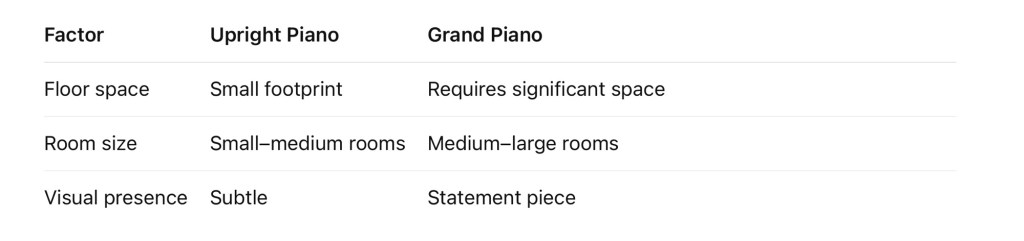
If space is limited, a quality upright is often the smarter and more harmonious choice.
5. Cost & Maintenance
Upright Piano
More affordable entry point Lower maintenance and tuning costs Easier to relocate
Grand Piano
Higher purchase and upkeep costs Requires proper room acoustics and humidity control Long-term investment for serious musicians
Key takeaway: Upright pianos deliver excellent value; grand pianos are a premium investment.
6. Which Should You Choose?
Choose an Upright Piano if:
Your child is a beginner or intermediate student You are learning for enjoyment or structured exams Space and budget are key considerations You want a reliable, long-term practice instrument
Choose a Grand Piano if:
The student is advanced or competition-focused You prioritise tonal nuance and expressive depth You have adequate space and acoustic environment You see the piano as both an instrument and an artistic centrepiece
Final Thoughts from Stretto Music
A common misconception is that serious learning requires a grand piano from the start. In reality, musical growth depends far more on proper guidance, technique, listening skills, and consistency than on instrument size alone.
Many outstanding pianists begin—and thrive—on upright pianos before transitioning to grands at the appropriate stage.
At Stretto Music, we focus on matching the instrument to the student’s stage, goals, and environment, ensuring progress is both effective and enjoyable.
If you’d like personalised advice on piano selection or learning pathways, feel free to reach out—we’re happy to guide you. 🎵
 Stretto Music by Josaphin Toh